
Victor Davis Hanson Net Worth 2026 Career Earnings
Victor Davis Hanson net worth stands at an estimated $5 million as of 2026 through his career as a classicist, military historian, author, and political commentator.
Born on September 5, 1953, in Fowler, California, the 72 year old American scholar built his wealth through academic work, bestselling books, public speaking, and media commentary.
Many readers search how old is Victor Davis Hanson to understand his career timeline. He earned his Bachelor of Arts degree in Classics from the University of California, Santa Cruz in 1975, then completed his PhD in Classics at Stanford University in 1980.
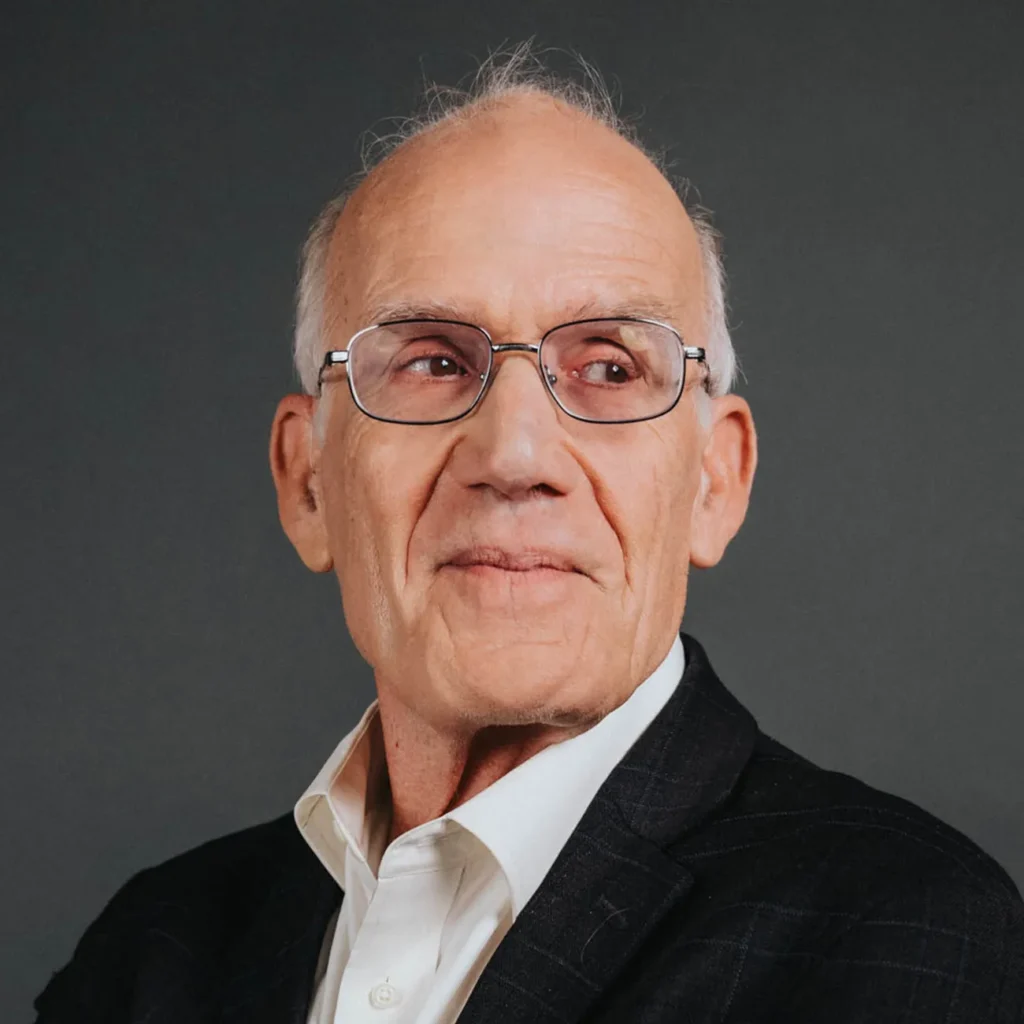
Victor Davis Hanson education provided the foundation for his scholarly achievements. He taught Classics at California State University, Fresno before retiring in 2004 to focus on writing.
He currently works as Senior Fellow at the Hoover Institution at Stanford University. Readers often ask what religion is Victor Davis Hanson, and while he keeps personal beliefs private, his writings reflect respect for Western Christian traditions. He married Cara Webb in 1977 and they had three children before divorcing in 2005, then married Jennifer Heyne in 2013.
Quick Facts About Victor Davis Hanson
| Fact | Detail |
| Full Name | Victor Davis Hanson |
| Date of Birth | September 5, 1953 |
| Age | 72 years old (as of 2026) |
| Place of Birth | Fowler, California, USA |
| Net Worth (2026) | $5 million (estimated) |
| Primary Occupation | Classicist, Military Historian, Author |
| Education | BA in Classics (UC Santa Cruz), PhD (Stanford) |
| Current Position | Senior Fellow, Hoover Institution |
| Marital Status | Married to Jennifer Heyne (since 2013) |
| Previous Marriage | Cara Webb (1977 to 2005) |
| Children | 3 (from first marriage) |
| Major Awards | National Humanities Medal (2007) |
Who is Victor Davis Hanson?
Victor Davis Hanson is an American classicist, military historian, and political commentator who studies ancient warfare and connects historical lessons to modern politics. He grew up in Selma, California, working on his family farm in the San Joaquin Valley. This agricultural background shaped his understanding of traditional American values.
His father’s cousin was killed in the Battle of Okinawa during World War II. Hanson is of Swedish and Welsh ancestry. He worked as a full time farmer from 1980 to 1984 before starting a classical studies program at California State University, Fresno.
He writes about ancient Greek warfare, Western military history, and contemporary politics. His commentary appears in the New York Times, Wall Street Journal, and National Review. He combines classical scholarship with practical farming experience. This unique perspective makes him stand out among modern historians.
Victor Davis Hanson Social Media
| Platform | Handle | Activity | Content Focus |
| Twitter/X | @VDHanson | Very active | Political commentary, history |
| VDH’s Morning Cup | Regular | Articles, podcast episodes | |
| @victor.d.hanson | Active | History, commentary | |
| YouTube | Various channels | Regular | Lectures, interviews |
read also :
- Tony Snell Net Worth & NBA Career
- Adam22 Net Worth 2026 Podcast Earnings
- Jason Luv Net Worth 2026 Career Earnings
Education Background
Victor Davis Hanson education began at UC Santa Cruz where he earned his BA in Classics with highest honors in 1975. His undergraduate work focused on ancient Greek and Roman history. He pursued graduate studies at Stanford University. He completed his PhD in Classics at Stanford in 1980.
During doctoral work, he conducted research at the American School of Classical Studies in Athens. This time in Greece deepened his understanding of ancient culture. His dissertation examined Greek warfare and agricultural society. This research became his first book published in 1983.
In 1984, Hanson joined California State University, Fresno where he founded the classical studies program. He won the American Philological Association’s Excellence in Teaching Award in 1991. This national award recognized him as one of the top teachers of classical languages.
read also :
Academic Career
Hanson taught at California State University, Fresno for twenty years. He became a full professor of classics. He served as visiting professor at Stanford University in 1991 to 1992. He was National Endowment for the Humanities fellow at Stanford’s Center for Advanced Studies in 1992 to 1993.
He held the visiting Shifrin Chair of Military History at the US Naval Academy in 2002 to 2003. In 2004, Hanson took early retirement from Cal State Fresno. He wanted to focus on political writing and popular history. He joined the Hoover Institution at Stanford as Senior Fellow. He serves as Martin and Illie Anderson Senior Fellow in Classics and Military History.
He chairs the Working Group on the Role of Military History in Contemporary Conflict. He was appointed Fellow at the Claremont Institute in 2002. He served as William Simon Visiting Professor at Pepperdine University from 2009 to 2015. Pepperdine awarded him an Honorary Doctorate of Laws in 2015. He became a board member of the Bradley Foundation in 2015.
read also :
- Michael Winslow Net Worth 2026 Comedy Earnings
- Jerrod Carmichael Net Worth 2026 Comedy Fortune
- Marcus King Net Worth 2026 Music Earnings
Major Books and Publications
Victor Davis Hanson has authored over 25 books covering ancient warfare, military history, agriculture, and politics. Warfare and Agriculture published in 1983 examined Greek warfare and agrarian life. The book argued that Greek warfare connected directly to agricultural society. The Western Way of War in 1989 explored ancient Greek battle experiences.
It detailed how Greek military practices influenced later Western warfare. The Other Greeks in 1995 studied the middling agrarian class in Greek city states. Fields Without Dreams in 1996 won the Bay Area Book Reviewers Award. This memoir discussed the decline of family farming in America. Carnage and Culture in 2001 became an international bestseller. The book argued Western military dominance stems from cultural values.
These values include consensual government, individualism, and free markets. A War Like No Other in 2005 offered fresh analysis of the Peloponnesian War. It became a New York Times notable book. The Case for Trump in 2019 defended President Trump’s policies and communication style. It became a bestseller among conservative readers. The Dying Citizen in 2021 examined threats to American citizenship and civic identity.
read also :
- Luke Perry Net Worth 2019 Career Legacy
- David Chang Net Worth 2026 Restaurant Earnings
- Ice Spice Net Worth 2026 Rap Earnings
Writing and Media Commentary
Hanson has written a weekly syndicated column since 2004 through Tribune Content Agency. Newspapers across America publish his commentary regularly. He wrote a weekly column for National Review Online from 2001 to 2021. This established him as a leading conservative voice. He received the Eric Breindel Prize for opinion journalism in 2002.
The award recognizes excellence in commentary writing. He won the Bradley Prize from the Lynde and Harry Bradley Foundation in 2008. This prize came with substantial monetary awards. President George W Bush awarded him the National Humanities Medal in 2007. This is one of the highest honors for humanities scholarship in the United States.
His articles appear regularly in major publications. These include the Wall Street Journal, New York Times, and Washington Times. He contributes to Newsweek and other national magazines. He hosts a weekly podcast discussing history and current events. The podcast attracts thousands of listeners. He makes frequent television appearances on Fox News. These media activities provide steady income beyond academic work.
read also :
- Jake Paul Net Worth 2026 Wealth Breakdown
- Kai Cenat Net Worth 2026 Streaming Wealth
- Marcus King Net Worth 2026 Music Earnings
Personal Life and Family
Victor Davis Hanson married Cara Webb in 1977 when both were young. They had three children together: two daughters and one son. The couple lived on the family farm in California’s Central Valley. They divorced in 2005 after 28 years of marriage. In 2013, Hanson married Jennifer Heyne.
His daughter Susannah tragically died of leukemia in 2014. This loss deeply affected Hanson and his family. His mother, sister in law, and maternal aunt also died of cancer. These family tragedies influenced his perspective on life. Hanson resides on a farm outside Selma in California’s Central Valley.
The property has been in his family since the 1870s. He continues working the land while maintaining his scholarly career. This connection to farming shapes his political commentary. He often writes about rural American life and traditional values.

Victor Davis Hanson Income Sources
| Income Source | Estimated Annual Amount |
| Hoover Institution Salary | $150,000 to $200,000 |
| Book Royalties | $100,000 to $300,000 |
| Speaking Engagements | $50,000 to $150,000 |
| Syndicated Column | $30,000 to $60,000 |
| Media Appearances | $20,000 to $50,000 |
| Farm Income | Supplemental income |
| Total Net Worth | $5 million (estimated) |
Historian Net Worth Comparison
| Historian | Net Worth | Primary Field | Notable Works |
| Victor Davis Hanson | $5 million | Classical/Military History | Carnage and Culture |
| Niall Ferguson | $4 million | Economic History | The Ascent of Money |
| Doris Kearns Goodwin | $10 million | Presidential History | Team of Rivals |
| David McCullough | $8 million | American History | John Adams |
FAQs About Victor Davis Hanson
Conclusion
Victor Davis Hanson has built a $5 million net worth through decades of scholarship, writing, and commentary. The 72 year old historian continues influencing American discourse through his Hoover Institution position. His classical education, farming background, and conservative voice create a unique perspective in intellectual life. He remains active in writing, speaking, and media work.



![Molly Line Net Worth: Fox News Anchor's $3 Million Fortune ([year])](https://celebworthhub.com/wp-content/uploads/2026/02/Molly-Line-Net-Worth-Career-768x432.webp)
![Gordon McKernan Net Worth: Louisiana Lawyer's $50 Million Fortune ([year])](https://celebworthhub.com/wp-content/uploads/2026/02/Gordon-Mckernan-Net-Worth-Career-768x432.webp)